
Sound Baths vs. Meditation: Which One Works Better for Stress?
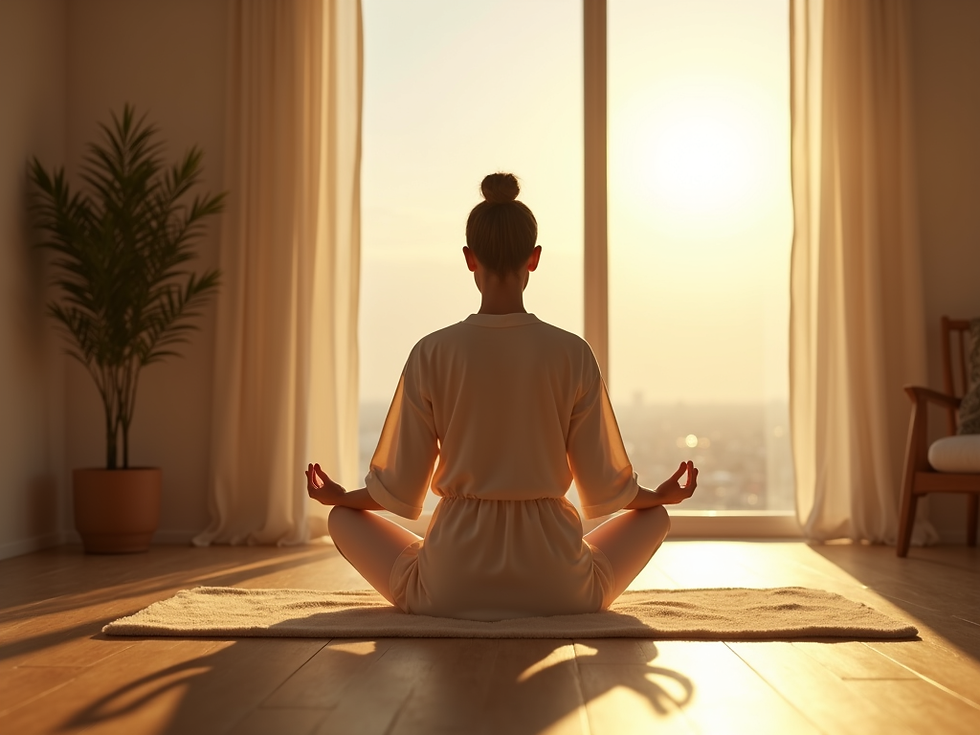
Stress is no longer occasional—it’s constant. Most people are operating in a low-grade state of tension all day, whether they realize it or not. The real question isn’t if you need to manage stress, but how you do it effectively.
Two of the most popular approaches today are sound baths and meditation. Both aim to calm the mind and regulate the body—but they take very different paths to get there.
The Core Difference: Active vs. Passive
Meditation is an active practice. It requires focus, awareness, and often discipline. You’re asked to control your attention—usually by following your breath, repeating a mantra, or observing your thoughts without reacting.
Sound baths, on the other hand, are passive. You lie down, close your eyes, and let sound guide you into a relaxed state. There’s no effort required. No need to “clear your mind” or do anything correctly.
For many people—especially beginners—this distinction is everything.
Why Meditation Can Be Difficult
Meditation is powerful, but it’s not always easy to access.
If your mind is busy (which it probably is), sitting still and trying to focus can feel frustrating. Thoughts keep coming. Attention drifts. You start wondering if you’re doing it wrong.
That friction causes many people to quit before they ever experience the benefits.
Common challenges include:
Difficulty staying focused
Mental restlessness
Feeling like you're “failing” at it
Lack of immediate results
Meditation works—but it often requires consistency and patience to unlock its full impact.
Why Sound Baths Feel Effortless
Sound baths remove the barrier to entry.
Instead of asking you to control your mind, they change your state through sound. Instruments like crystal bowls and gongs produce frequencies that help slow brainwave activity—naturally guiding you into a relaxed, meditative state.
You don’t need experience. You don’t need discipline. You just need to show up.
Most people notice:
A rapid drop in stress levels
A sense of mental quiet without trying
Deep physical relaxation
A “reset” feeling afterward
It’s meditation without the learning curve.
What Happens in Your Body
Both practices influence the nervous system—but in slightly different ways.
Meditation:
Gradually trains your brain to stay calm under stress
Builds long-term resilience
Improves awareness and emotional control
Sound Baths:
Quickly shift the body into a parasympathetic (rest-and-digest) state
Reduce cortisol levels
Slow heart rate and breathing
Promote immediate recovery
If meditation is like going to the gym for your mind, a sound bath is like getting a full-body recovery session.
Which One Works Better for Stress?
It depends on your goal—and your personality.
Choose meditation if you:
Want to build long-term mental discipline
Are willing to practice regularly
Like structured, self-directed techniques
Choose sound baths if you:
Feel overwhelmed or mentally fatigued
Want immediate stress relief
Prefer a guided, effortless experience
For many people, the most effective approach isn’t choosing one—it’s combining both.
Use sound baths to reset your system, and meditation to maintain it.
A Smarter Way to Think About It
This isn’t a competition. It’s a toolkit.
On high-stress days when your mind won’t slow down, forcing meditation can feel like trying to fall asleep on command. That’s where sound baths excel—they meet you where you are and bring you down quickly.
On calmer days, meditation helps you build the mental strength to handle future stress more effectively.
Together, they create a balanced approach:
Sound baths = recovery
Meditation = training
Final Takeaway
If you’ve tried meditation and struggled, it doesn’t mean it’s not for you—it may just mean you need a different entry point.
Sound baths offer that entry point. They give you the benefits of deep relaxation without the effort, making them one of the most accessible ways to manage stress today.
Once your system knows what calm actually feels like, practices like meditation become much easier—and far more effective.
Start with what works. Then build from there.


Comments